

If you want my team to just do your marketing for you, click here.



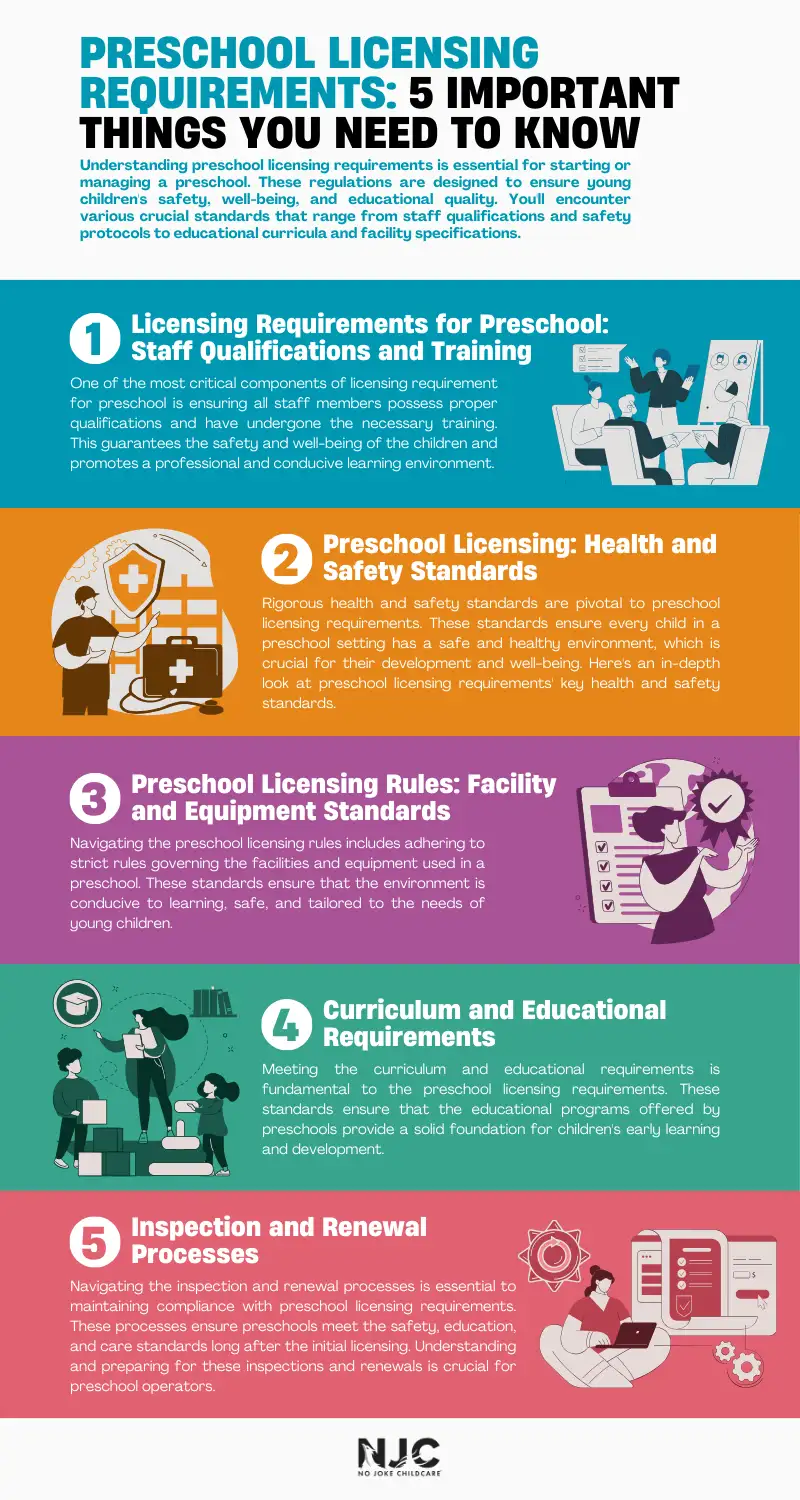
Understanding preschool licensing requirements is essential for starting or managing a preschool. These regulations are designed to ensure young children’s safety, well-being, and educational quality. You’ll encounter various crucial standards that range from staff qualifications and safety protocols to educational curricula and facility specifications.
This blog explores the critical aspects of preschool licensing requirements, offering a clear roadmap for compliance. Whether you’re a new preschool operator or a seasoned educator, this guide will provide valuable insights and practical tips to help you meet all the necessary standards. Keep reading to discover the essential things you need to know to create a safe and engaging learning environment for children.
Licensing Requirements for Preschool: Staff Qualifications and Training
One of the most critical components of licensing requirement for preschool is ensuring all staff members possess proper qualifications and have undergone the necessary training. This guarantees the safety and well-being of the children and promotes a professional and conducive learning environment. Below are essential staff qualifications and training aspects that must align with preschool licensing requirements.
Educational Background
All preschool staff, especially teachers, must hold at least a high school diploma or equivalent. However, many states and jurisdictions prefer or mandate that teachers also have a degree in early childhood education or a related field. This educational background ensures educators are well-versed in developmental psychology, educational theory, and age-appropriate teaching methods.
Certification Requirements
In addition to educational qualifications, preschool staff may need specific certifications to comply with preschool licensing requirements. Common certifications include:
Ongoing Professional Development
Continuous education is a hallmark of quality in early education settings. Preschool licensing requirements often include stipulations for ongoing professional development to keep staff updated on the latest educational strategies and state regulations. This can include:
Background Checks
Ensuring the safety of children is paramount. Hence, rigorous background checks are integral to the licensing process. These checks typically include:
Sticking to these preschool licensing requirements fosters a safe and nurturing environment and enhances the institution’s educational quality. Preschools demonstrate their commitment to excellence and trustworthiness in early childhood education by maintaining stringent staff qualifications and training standards.
Preschool Licensing: Health and Safety Standards
Rigorous health and safety standards are pivotal to preschool licensing requirements. These standards ensure every child in a preschool setting has a safe and healthy environment, which is crucial for their development and well-being. Here’s an in-depth look at preschool licensing requirements’ key health and safety standards.
Hygiene and Cleanliness
Preschools must maintain high standards of cleanliness to prevent illnesses and infections among children. This includes:
Emergency Preparedness
Effective emergency preparedness plans are essential components of preschool licensing requirements. These plans ensure that staff know how to act swiftly and efficiently in case of emergencies, such as:
Physical Environment Safety
The physical setup of a preschool must meet specific safety criteria to comply with preschool licensing requirements. This includes:
Meeting these health and safety standards under preschool licensing requirements ensures compliance with local and state regulations. It reassures parents that their children are in a safe, secure, and healthy learning environment.
Preschool Licensing Rules: Facility and Equipment Standards
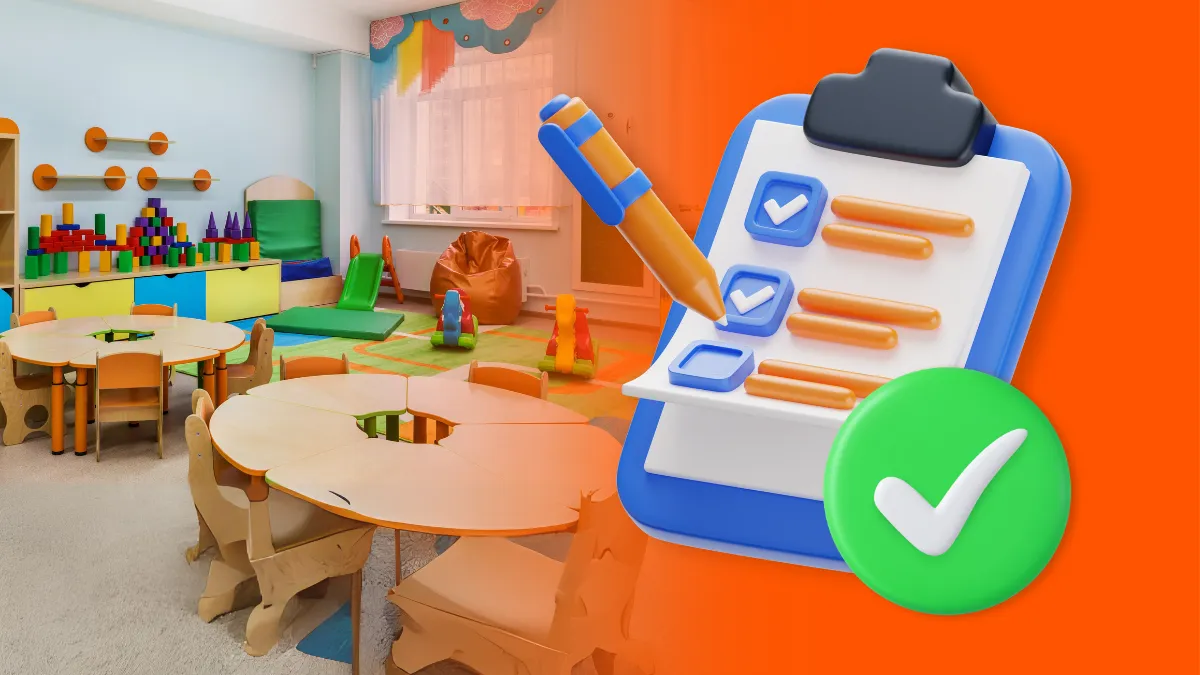
Navigating the preschool licensing rules includes adhering to strict rules governing the facilities and equipment used in a preschool. These standards ensure that the environment is conducive to learning, safe, and tailored to the needs of young children. Here’s a breakdown of the essential facility and equipment standards outlined in the preschool licensing requirements.
Facility Standards
A preschool’s physical structure must meet specific criteria to ensure it is safe and appropriate for young learners:
Health and Safety Inspections: Health and safety officers must conduct regular inspections to ensure compliance with state and local regulations.
Classroom Environment
The classroom environment is critical in a child’s education. Preschool licensing requirements dictate several standards to optimize this space:
Equipment Standards
The equipment used in preschools must obey strict safety standards, ensuring that all items are safe and suitable for young children:
By meeting these facility and equipment standards, preschools fulfill critical aspects of preschool licensing requirements, ensuring a safe and stimulating environment for every child. Compliance with these standards not only supports the physical well-being of the children but also enhances their learning experience and development.
Curriculum and Educational Requirements

Meeting the curriculum and educational requirements is fundamental to the preschool licensing requirements. These standards ensure that the educational programs offered by preschools provide a solid foundation for children’s early learning and development. To ensure your preschool meets all safety and quality standards, here’s what you need to know about licensing requirements.
Appropriate Curriculum
The curriculum should cater to the various developmental stages of young children:
Educational Milestones
Preschools must ensure that their programs help children reach vital educational milestones:
Teaching Methods
Adopting effective teaching methods is crucial to meet preschool licensing requirements:
Assessment and Progress Tracking
Regular assessment is vital to monitor the progress of students and the effectiveness of the curriculum:
By respecting these curriculum and educational requirements under the preschool licensing requirements, preschools comply with legal standards and ensure that they provide a rich, engaging, and supportive learning environment for the children they serve.
Inspection and Renewal Processes
Navigating the inspection and renewal processes is essential to maintaining compliance with preschool licensing requirements. These processes ensure preschools meet the safety, education, and care standards long after the initial licensing. Understanding and preparing for these inspections and renewals is crucial for preschool operators.
Initial Licensing Inspection
Before a preschool can open its doors, it must pass an initial licensing inspection. This critical assessment ensures that all aspects of the preschool meet the preschool licensing requirements. Key areas of focus include:
Ongoing Compliance Checks
To maintain a license, preschools must undergo regular inspections:
Health and Safety Audits: Specific audits for health and safety standards are conducted to ensure children’s clean and secure environment.
Renewal of License
Preschool licenses are not indefinite and require renewal every few years, depending on state or local regulations. The renewal process includes:
Corrective Actions and Appeals
If a preschool fails to meet any of the preschool licensing requirements during an inspection, it must take corrective actions:
By thoroughly understanding and actively participating in the inspection and renewal processes, preschools can ensure they meet the preschool licensing requirements and provide a consistently safe and educational environment for children.
Conclusion
Navigating the preschool licensing requirements is crucial in providing a high-quality educational environment for young learners. By understanding and complying with these requirements, preschools ensure they set the standard for safety, education, and care.
No Joke Childcare is here to guide you through enhancing your services with top-tier marketing strategies that resonate with parents and guardians. Visit us at No Joke Childcare Contact or call us at (706) 303-3012 to discover how we can help transform your childcare center into a leading choice for families. Let’s make excellence in childcare your new standard!
Understanding preschool licensing requirements is essential for starting or managing a preschool. These regulations are designed to ensure young children’s safety, well-being, and educational quality. You’ll encounter various crucial standards that range from staff qualifications and safety protocols to educational curricula and facility specifications.
This blog explores the critical aspects of preschool licensing requirements, offering a clear roadmap for compliance. Whether you’re a new preschool operator or a seasoned educator, this guide will provide valuable insights and practical tips to help you meet all the necessary standards. Keep reading to discover the essential things you need to know to create a safe and engaging learning environment for children.
Licensing Requirements for Preschool: Staff Qualifications and Training
One of the most critical components of licensing requirement for preschool is ensuring all staff members possess proper qualifications and have undergone the necessary training. This guarantees the safety and well-being of the children and promotes a professional and conducive learning environment. Below are essential staff qualifications and training aspects that must align with preschool licensing requirements.
Educational Background
All preschool staff, especially teachers, must hold at least a high school diploma or equivalent. However, many states and jurisdictions prefer or mandate that teachers also have a degree in early childhood education or a related field. This educational background ensures educators are well-versed in developmental psychology, educational theory, and age-appropriate teaching methods.
Certification Requirements
In addition to educational qualifications, preschool staff may need specific certifications to comply with preschool licensing requirements. Common certifications include:
Ongoing Professional Development
Continuous education is a hallmark of quality in early education settings. Preschool licensing requirements often include stipulations for ongoing professional development to keep staff updated on the latest educational strategies and state regulations. This can include:
Background Checks
Ensuring the safety of children is paramount. Hence, rigorous background checks are integral to the licensing process. These checks typically include:
Sticking to these preschool licensing requirements fosters a safe and nurturing environment and enhances the institution’s educational quality. Preschools demonstrate their commitment to excellence and trustworthiness in early childhood education by maintaining stringent staff qualifications and training standards.
Preschool Licensing: Health and Safety Standards
Rigorous health and safety standards are pivotal to preschool licensing requirements. These standards ensure every child in a preschool setting has a safe and healthy environment, which is crucial for their development and well-being. Here’s an in-depth look at preschool licensing requirements’ key health and safety standards.
Hygiene and Cleanliness
Preschools must maintain high standards of cleanliness to prevent illnesses and infections among children. This includes:
Emergency Preparedness
Effective emergency preparedness plans are essential components of preschool licensing requirements. These plans ensure that staff know how to act swiftly and efficiently in case of emergencies, such as:
Physical Environment Safety
The physical setup of a preschool must meet specific safety criteria to comply with preschool licensing requirements. This includes:
Meeting these health and safety standards under preschool licensing requirements ensures compliance with local and state regulations. It reassures parents that their children are in a safe, secure, and healthy learning environment.
Preschool Licensing Rules: Facility and Equipment Standards
Navigating the preschool licensing rules includes adhering to strict rules governing the facilities and equipment used in a preschool. These standards ensure that the environment is conducive to learning, safe, and tailored to the needs of young children. Here’s a breakdown of the essential facility and equipment standards outlined in the preschool licensing requirements.
Facility Standards
A preschool’s physical structure must meet specific criteria to ensure it is safe and appropriate for young learners:
Health and Safety Inspections: Health and safety officers must conduct regular inspections to ensure compliance with state and local regulations.
Classroom Environment
The classroom environment is critical in a child’s education. Preschool licensing requirements dictate several standards to optimize this space:
Equipment Standards
The equipment used in preschools must obey strict safety standards, ensuring that all items are safe and suitable for young children:
By meeting these facility and equipment standards, preschools fulfill critical aspects of preschool licensing requirements, ensuring a safe and stimulating environment for every child. Compliance with these standards not only supports the physical well-being of the children but also enhances their learning experience and development.
Curriculum and Educational Requirements
Meeting the curriculum and educational requirements is fundamental to the preschool licensing requirements. These standards ensure that the educational programs offered by preschools provide a solid foundation for children’s early learning and development. To ensure your preschool meets all safety and quality standards, here’s what you need to know about licensing requirements.
Appropriate Curriculum
The curriculum should cater to the various developmental stages of young children:
Educational Milestones
Preschools must ensure that their programs help children reach vital educational milestones:
Teaching Methods
Adopting effective teaching methods is crucial to meet preschool licensing requirements:
Assessment and Progress Tracking
Regular assessment is vital to monitor the progress of students and the effectiveness of the curriculum:
By respecting these curriculum and educational requirements under the preschool licensing requirements, preschools comply with legal standards and ensure that they provide a rich, engaging, and supportive learning environment for the children they serve.
Inspection and Renewal Processes
Navigating the inspection and renewal processes is essential to maintaining compliance with preschool licensing requirements. These processes ensure preschools meet the safety, education, and care standards long after the initial licensing. Understanding and preparing for these inspections and renewals is crucial for preschool operators.
Initial Licensing Inspection
Before a preschool can open its doors, it must pass an initial licensing inspection. This critical assessment ensures that all aspects of the preschool meet the preschool licensing requirements. Key areas of focus include:
Ongoing Compliance Checks
To maintain a license, preschools must undergo regular inspections:
Health and Safety Audits: Specific audits for health and safety standards are conducted to ensure children’s clean and secure environment.
Renewal of License
Preschool licenses are not indefinite and require renewal every few years, depending on state or local regulations. The renewal process includes:
Corrective Actions and Appeals
If a preschool fails to meet any of the preschool licensing requirements during an inspection, it must take corrective actions:
By thoroughly understanding and actively participating in the inspection and renewal processes, preschools can ensure they meet the preschool licensing requirements and provide a consistently safe and educational environment for children.
Conclusion
Navigating the preschool licensing requirements is crucial in providing a high-quality educational environment for young learners. By understanding and complying with these requirements, preschools ensure they set the standard for safety, education, and care.
No Joke Childcare is here to guide you through enhancing your services with top-tier marketing strategies that resonate with parents and guardians. Visit us at No Joke Childcare Contact or call us at (706) 303-3012 to discover how we can help transform your childcare center into a leading choice for families. Let’s make excellence in childcare your new standard!


